San Miguel de Allende and the Bajío
Discover San Miguel and its surroundings
Traditions that endure, celebrations that transform its streets and corners worth a visit. Find stories, experiences and events that show why San Miguel de Allende always has something new to discover.
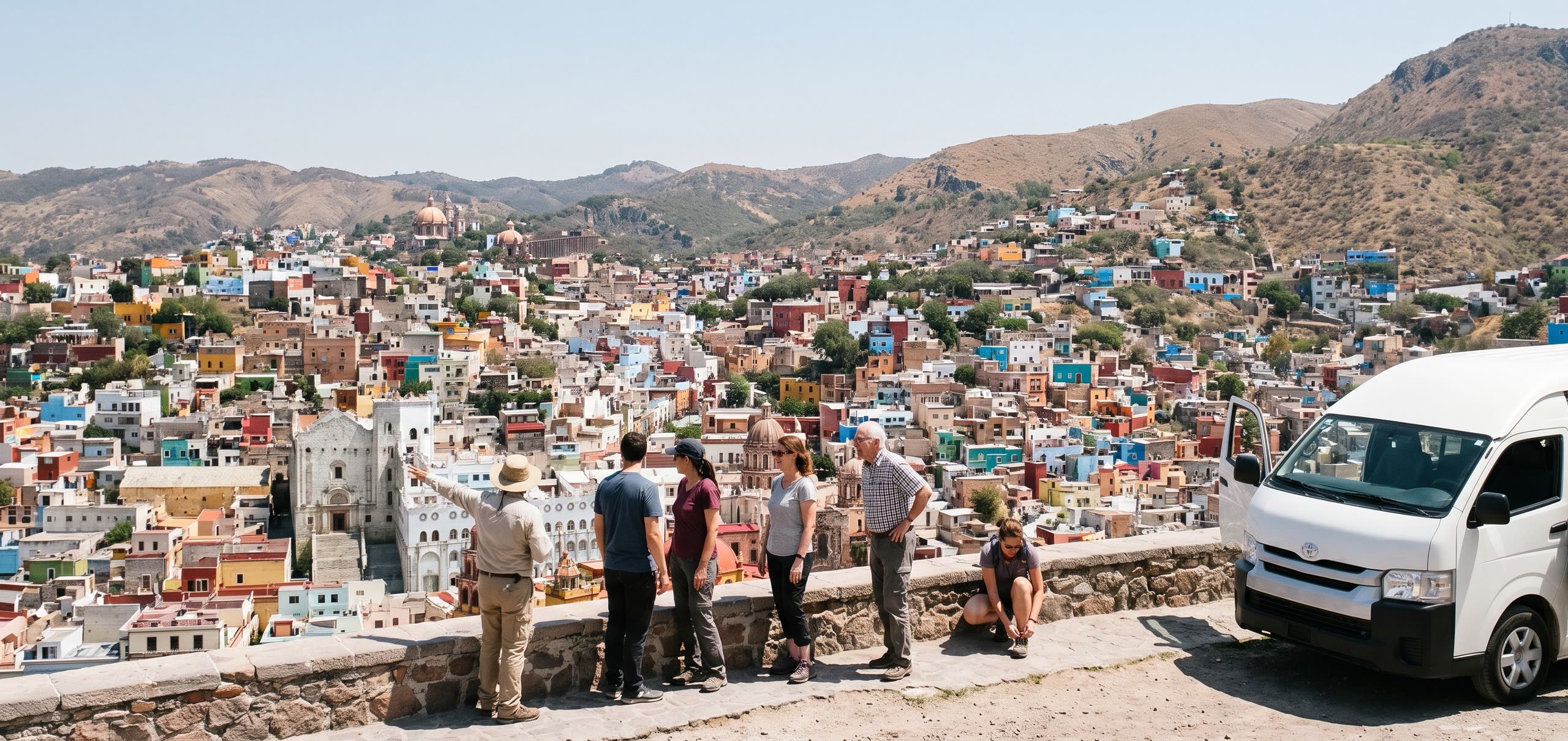
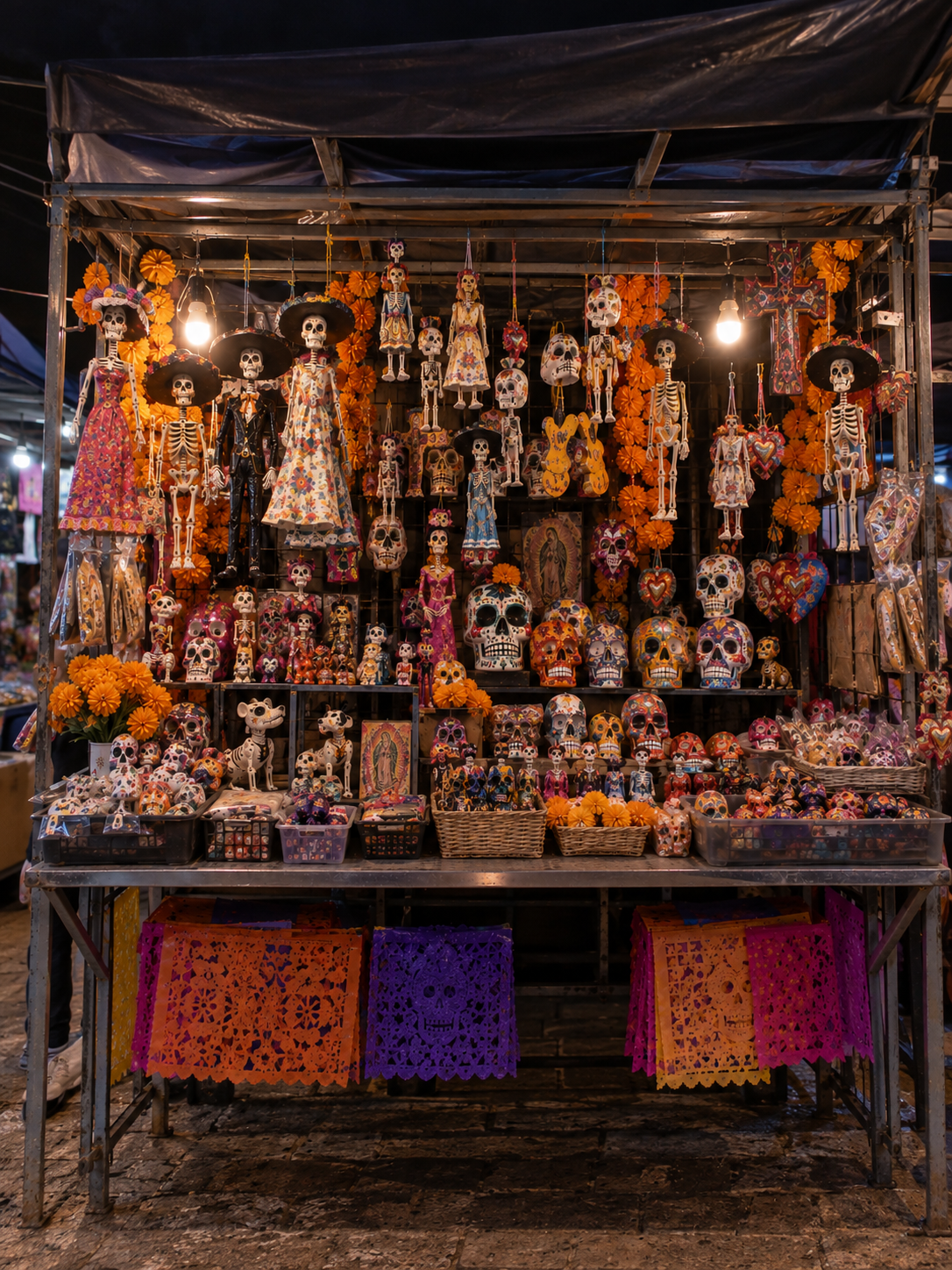
When San Miguel fills with offerings
On 1 and 2 November, Mexico celebrates the Day of the Dead. Homes set up offerings with flowers, candles, cut paper and sugar skulls, because here it is not only life that is celebrated, but also what comes after it.
In San Miguel, from the very beginning, beautiful offerings have been displayed in the Jardín Principal, with traditional sweets on sale and the crypt of the parish church opened. For some years now, a parade of catrinas has also walked through the historic centre, and you can be part of it.
A city that began at a spring
San Miguel did not begin with the square or the parish church, but with water. In 1542, Friar Juan de San Miguel founded the settlement beside the springs of what is now the Barrio del Chorro, on a road along which silver travelled north.
In 1826 it was granted city status and added to its name that of Ignacio Allende, the insurgent born here who fought for Mexico’s independence. Walking it today is reading those layers: the water, the silver, Independence and, since 2008, a historic centre on the World Heritage list.
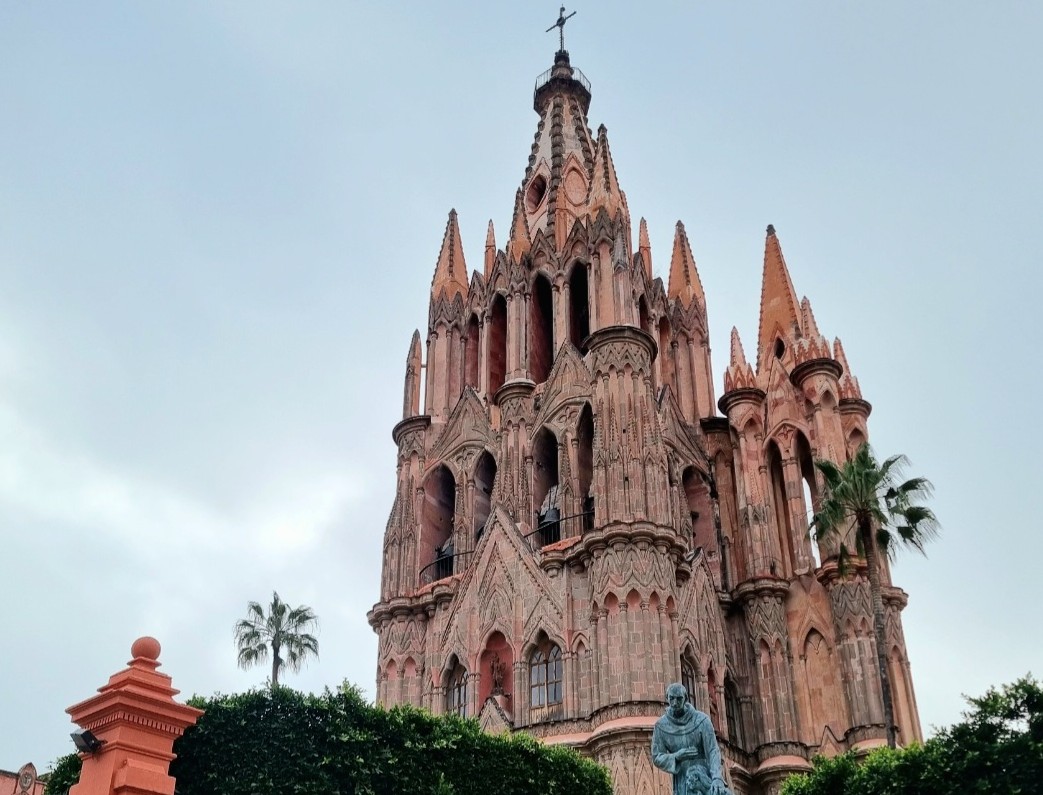
A façade raised by a master mason
The pink-quarry neo-Gothic façade of the Parroquia de San Miguel Arcángel was built between 1880 and 1890 under Zeferino Gutiérrez, an Indigenous master mason. He is said to have drawn on postcards and lithographs of European Gothic churches; the result is his own interpretation, which is why it is so unique.
From the Jardín Principal it organises the view, and it is the point almost everyone returns to in order to get their bearings: it is impossible to get lost with it as a landmark from most points in the city.
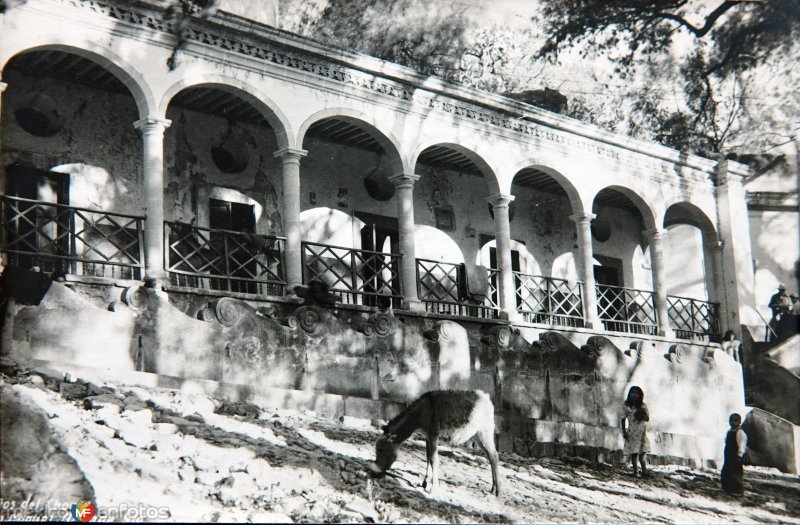
The basins where clothes were washed
In the Barrio del Chorro, beside the spring that gave the city its origin, the lavaderos remain: eighteenth-century stone basins, built by Manuel Francisco de la Canal, where for generations laundry was washed with the water coming down from the spring.
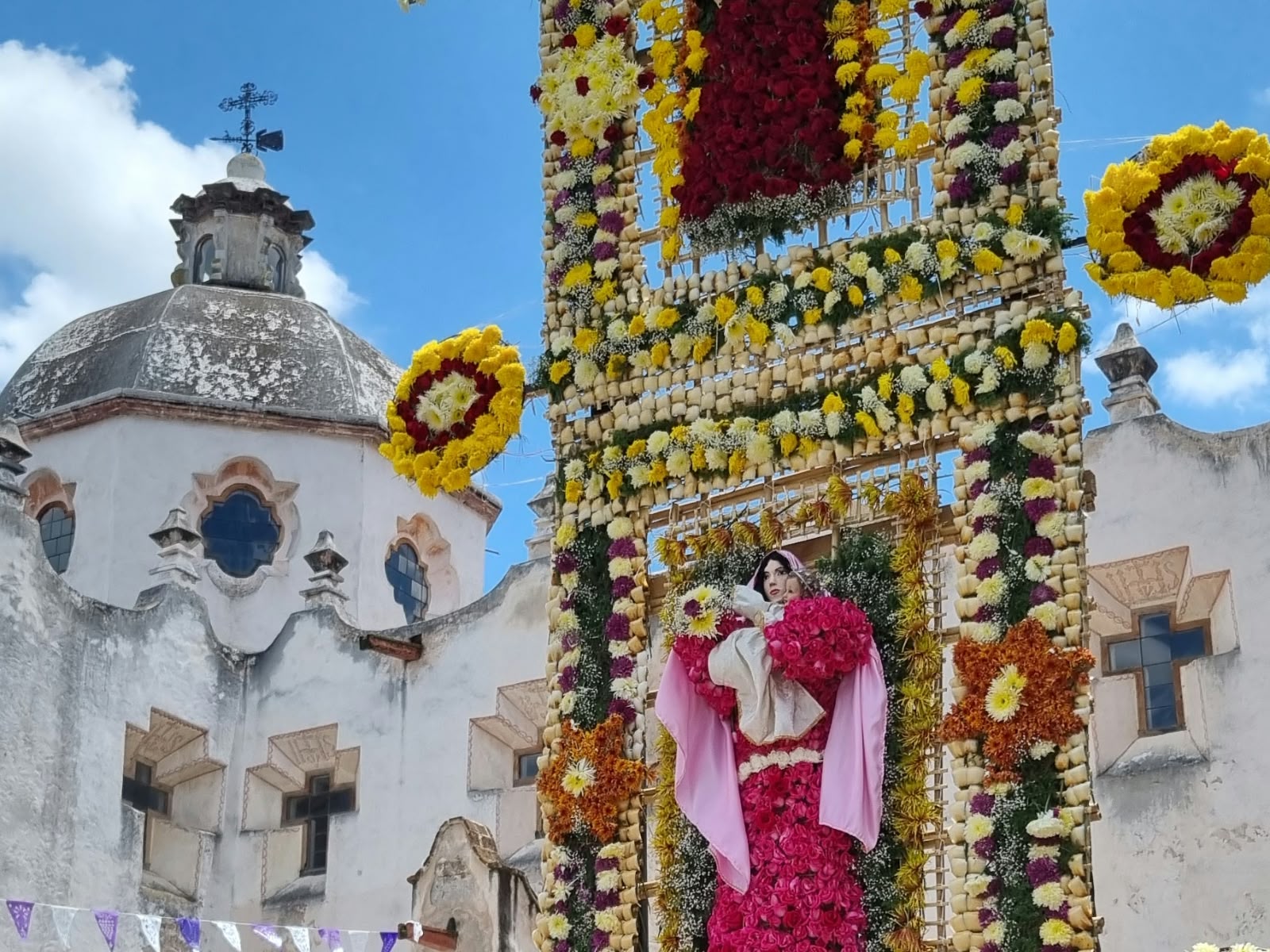
Atotonilco, the Mexican Sistine Chapel
The Sanctuary of Jesús Nazareno de Atotonilco was inscribed by UNESCO in 2008 together with San Miguel. Its interior is known for the Baroque mural painting attributed to Miguel Antonio Martínez de Pocasangre, which gave it that nickname.
Art, crafts and everyday life
- 01 · Art
A city that became a school
In the 1930s a university school of fine arts was founded here, and in the 1950s the Instituto Allende, in an eighteenth-century house, drew artists from other countries. Today, inside it, you will find bazaars and events, and you can even organise your next wedding there.
- 02 · Crafts
Made by hand, and kept in a museum
The artisans’ market gathers work in brass, wool, wood, papier-mâché, glass and ceramics, and the Museo La Esquina holds more than 3,500 Mexican folk toys. Each tells, in its own way, what is made by hand in this part of the country.
- 03 · Everyday life
A city you hear in more than one language
In the centre, people who were born here live alongside residents and visitors from many countries, and you hear it in the conversations at the next table. Everyone is happy to welcome you: San Miguel is known as one of the most hospitable cities in the world.
The gastronomic journey
Discover what the people of San Miguel eat day to day: arrive early at the market and watch the fresh produce come in. Then stroll the streets and find a small café where you can broaden your ideas, and at the end of the day go out with friends for an incredible dinner on one of the terraces in the centre, and let yourself be amazed by an incredible view.
The tianguis
On Tuesdays there is a tianguis, and anyone who has been knows there are always hidden treasures waiting amid the chaos, with produce, clothing and snacks. It is for those looking for the most original experience.
The state’s cooking
In Guanajuato the cooking includes dishes such as enchiladas mineras, pacholas and Guanajuato-style tamales. They are worth looking for while discovering its impressive architecture.
Wine and cheese, on two routes
Toward Dolores Hidalgo lie Guanajuato’s vineyards; toward Querétaro, the wine and cheese route, with vineyards and cheese makers across several municipalities. They are two different routes, and both are more enjoyable with someone else at the wheel.
Tamales, atole and the midday set meal
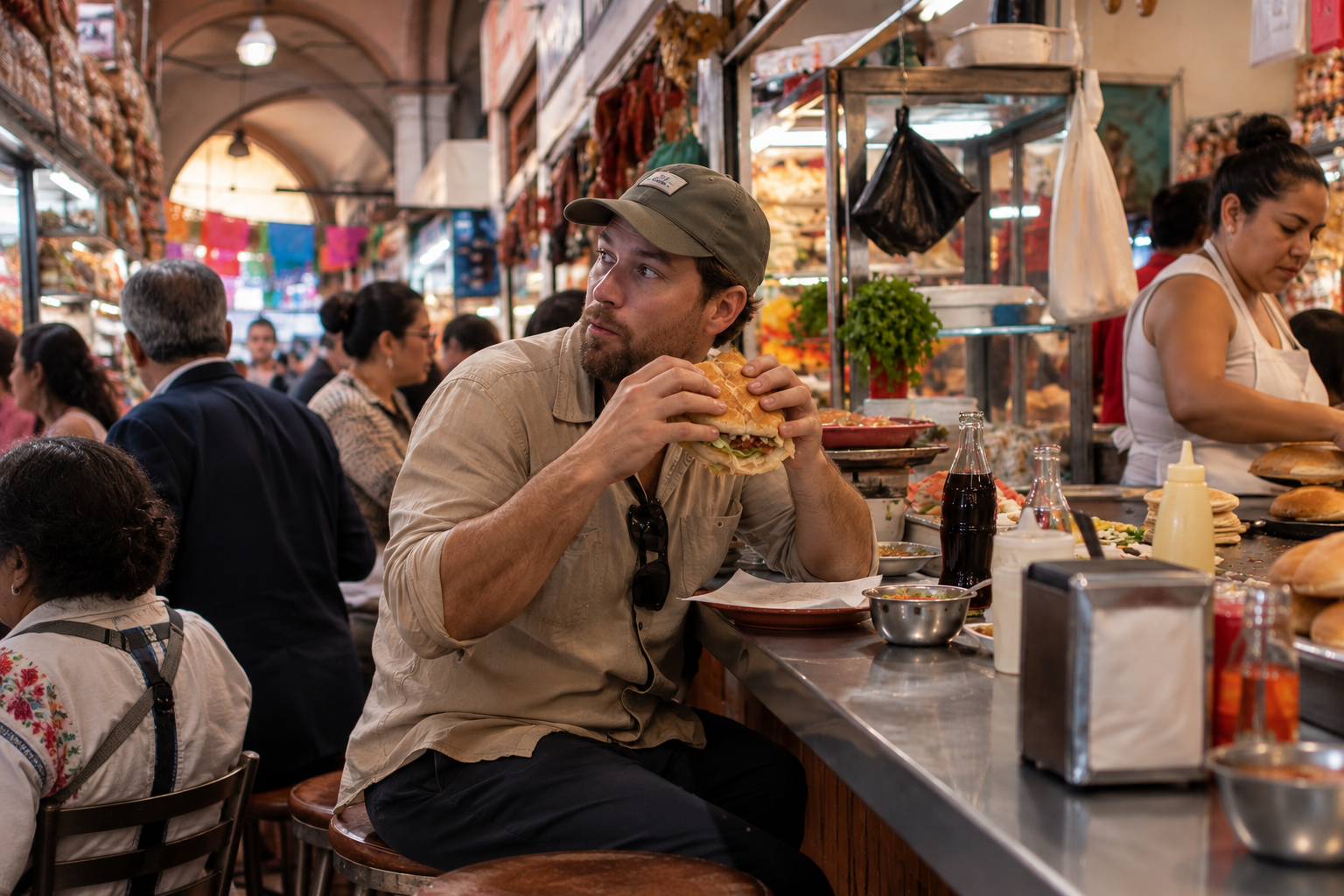
The Mercado Ignacio Ramírez, a few blocks from the Jardín, is a covered market with food stalls: fresh juices, nopales, atole, tamales and, towards midday, the comida corrida, the set menu of Mexican fondas: soup, rice, a stew and, often, dessert or agua fresca. All at an excellent price and with an undeniably great flavour.
A year of festivities
In San Miguel the calendar shows in the street: processions, parades, fireworks and altars mark the year. These are four moments, in the order they arrive.
- March or April
Holy Week
On Viernes de Dolores, homes open their doors to show their altars. On Good Friday the Santo Encuentro is held at midday and, at night, the Santo Entierro procession, known as the Procession of Silence.
- June
Los Locos
Around 13 June, the feast of Saint Anthony of Padua, a parade of costumed and masked people walks through the centre handing out sweets. It ends at the parish of San Antonio, and its origin is told in several ways.
- Late September
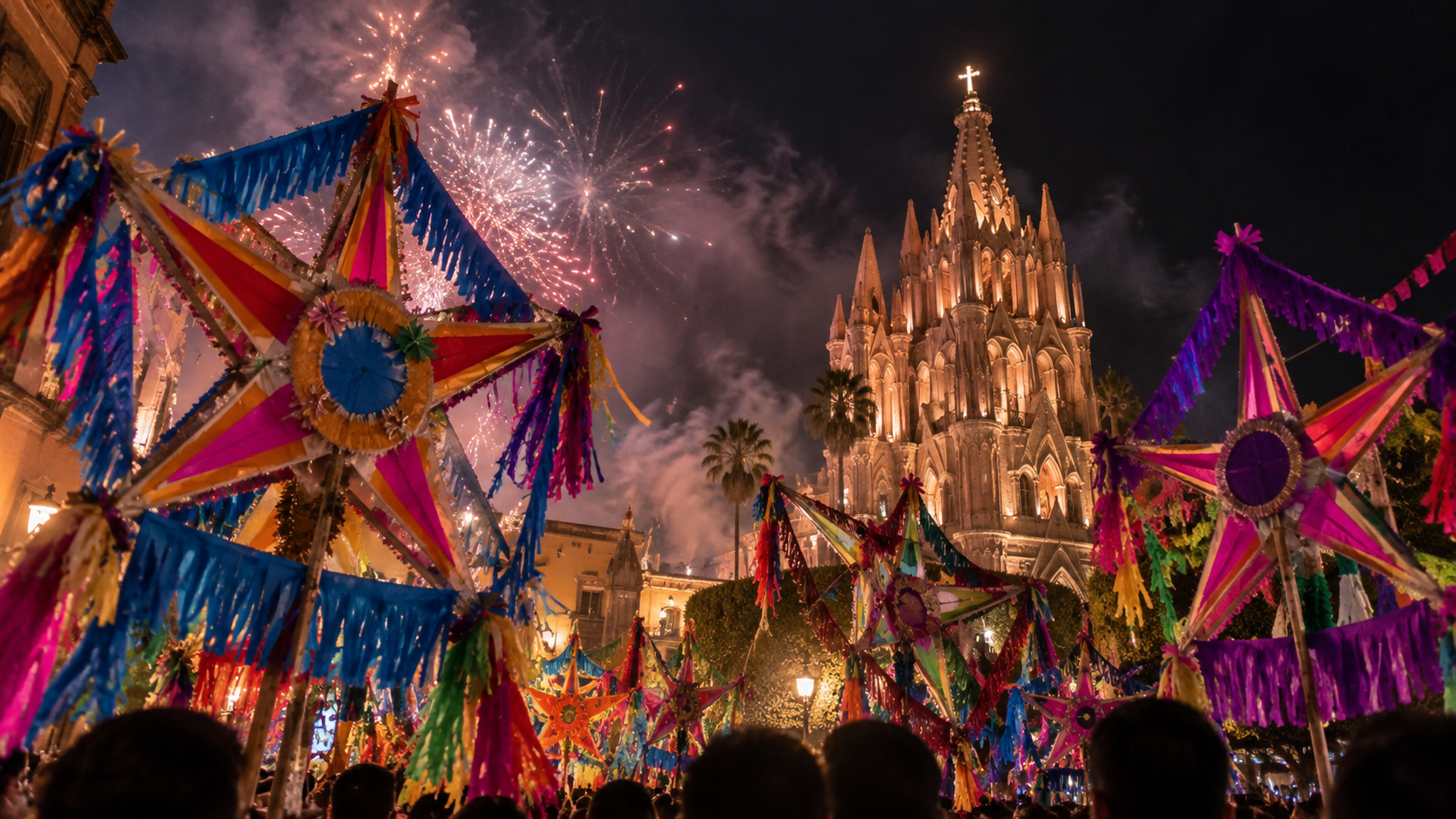
The Alborada
Lit paper stars, mojigangas and fireworks in the Jardín Principal, before dawn, open the feast of Saint Michael the Archangel, around 29 September. The fireworks stage the archangel’s battle against Lucifer.
- 1 and 2 November
Day of the Dead
Offerings with flowers, candles and cut paper, and a parade of catrinas through the historic centre in recent years.
This is the customary time of each, not this year’s dates: they change with every edition and are confirmed in the official programme.
Querétaro, a city with a history of its own
Santiago de Querétaro is 1 hr by road from San Miguel.
Querétaro’s wine and cheese
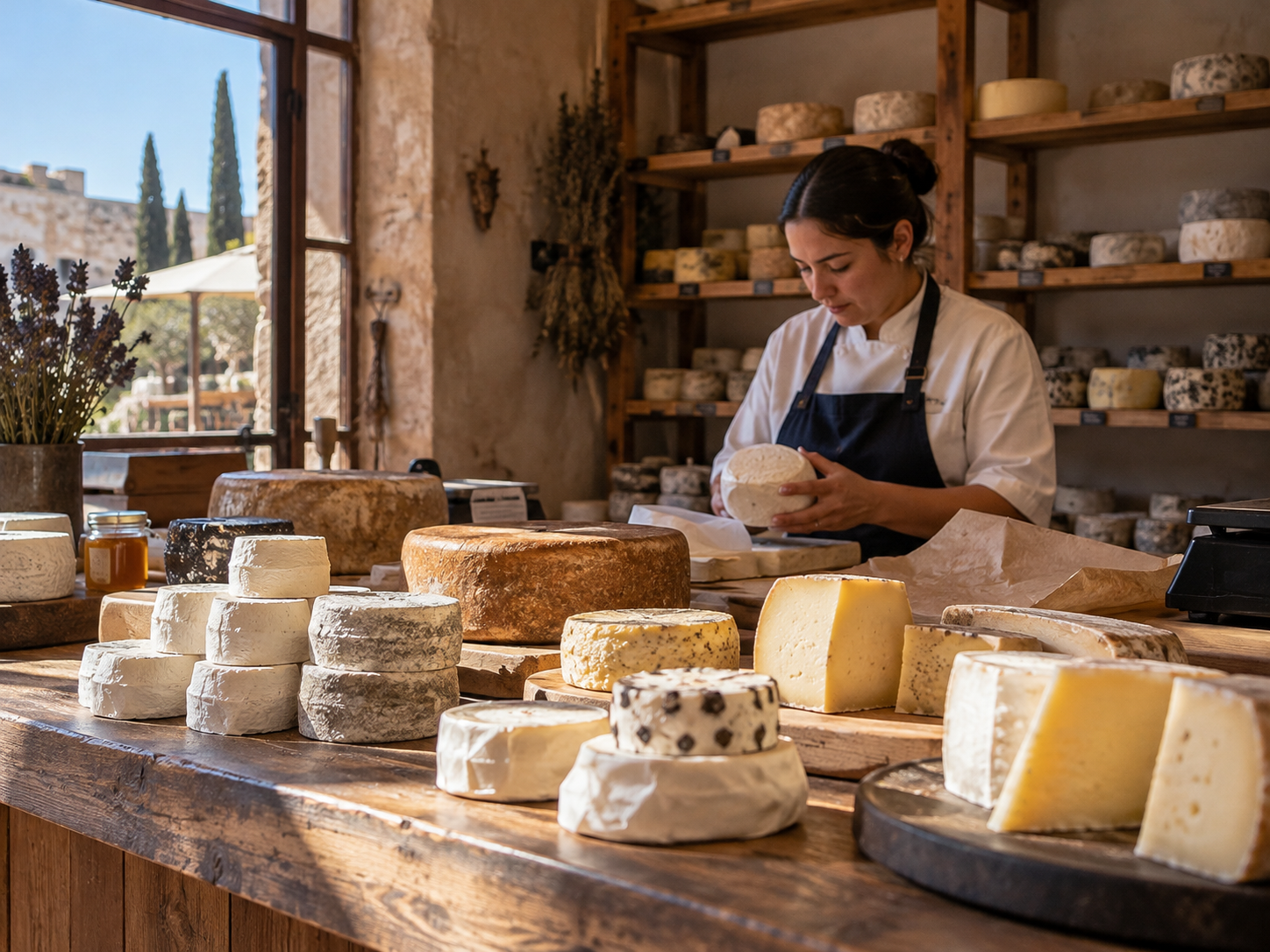
Querétaro’s wine and cheese route is not Guanajuato’s: it links vineyards and cheese makers across several municipalities, such as El Marqués, Colón, Ezequiel Montes — where Bernal is — and Tequisquiapan, its traditional starting point. Tequisquiapan, Bernal and Cadereyta are Pueblos Mágicos of the state.
Two cities, one trip
Querétaro and San Miguel pair well on one stay in the Bajío: one is a colonial city of plazas and museums, the other a town of cobbled streets. We drive between them, and from Querétaro airport, when the route calls for it.
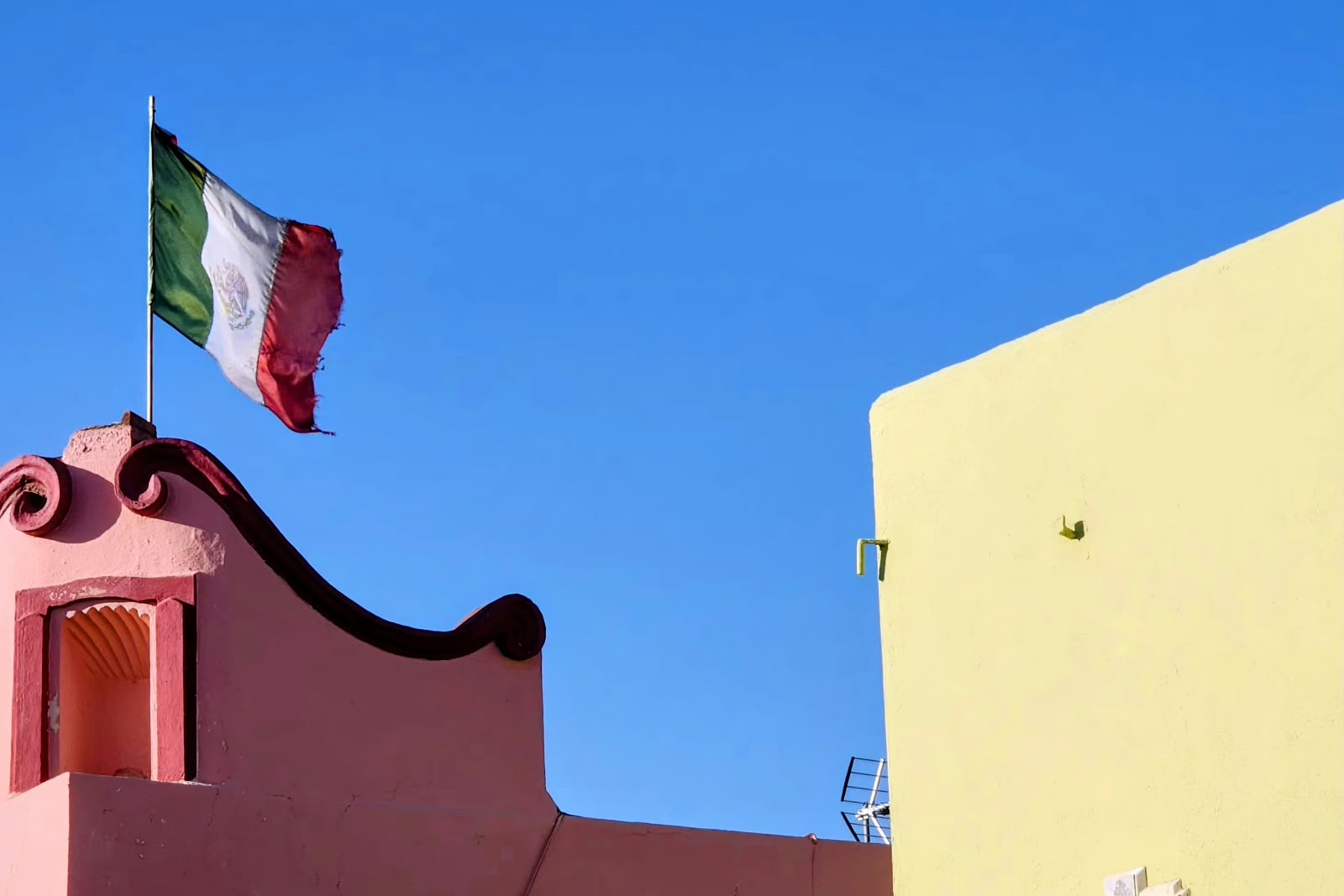
A city made for walking
The Historic Monuments Zone of Santiago de Querétaro has been a World Heritage Site since 1996. Its layout joins the Spanish grid with the winding streets of the old Indigenous quarters, and it can still be walked from the Plaza de Armas to the Jardín Zenea and the alleys between them.
Its most recognisable image is the eighteenth-century aqueduct, with its 74 stone arches.
Three trips out of San Miguel
Each is arranged to measure: tell us where and when, and we will prepare a proposal. Before going, confirm opening times and visiting conditions with each place.
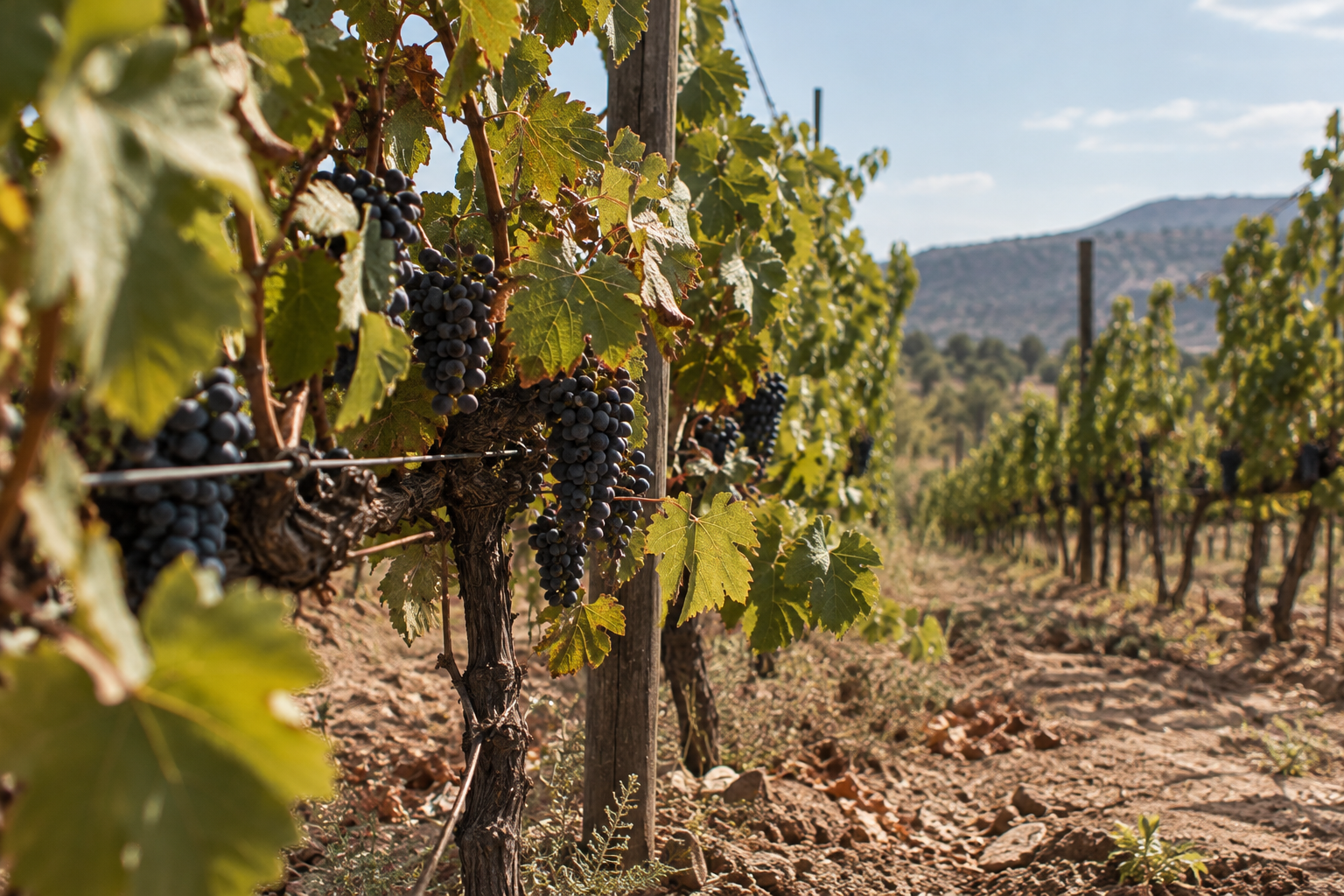
Among the vineyards
Between San Miguel and Dolores the landscape fills with vineyards and olive trees. The route is run by the hour, with your driver waiting on site: a long lunch is no problem.
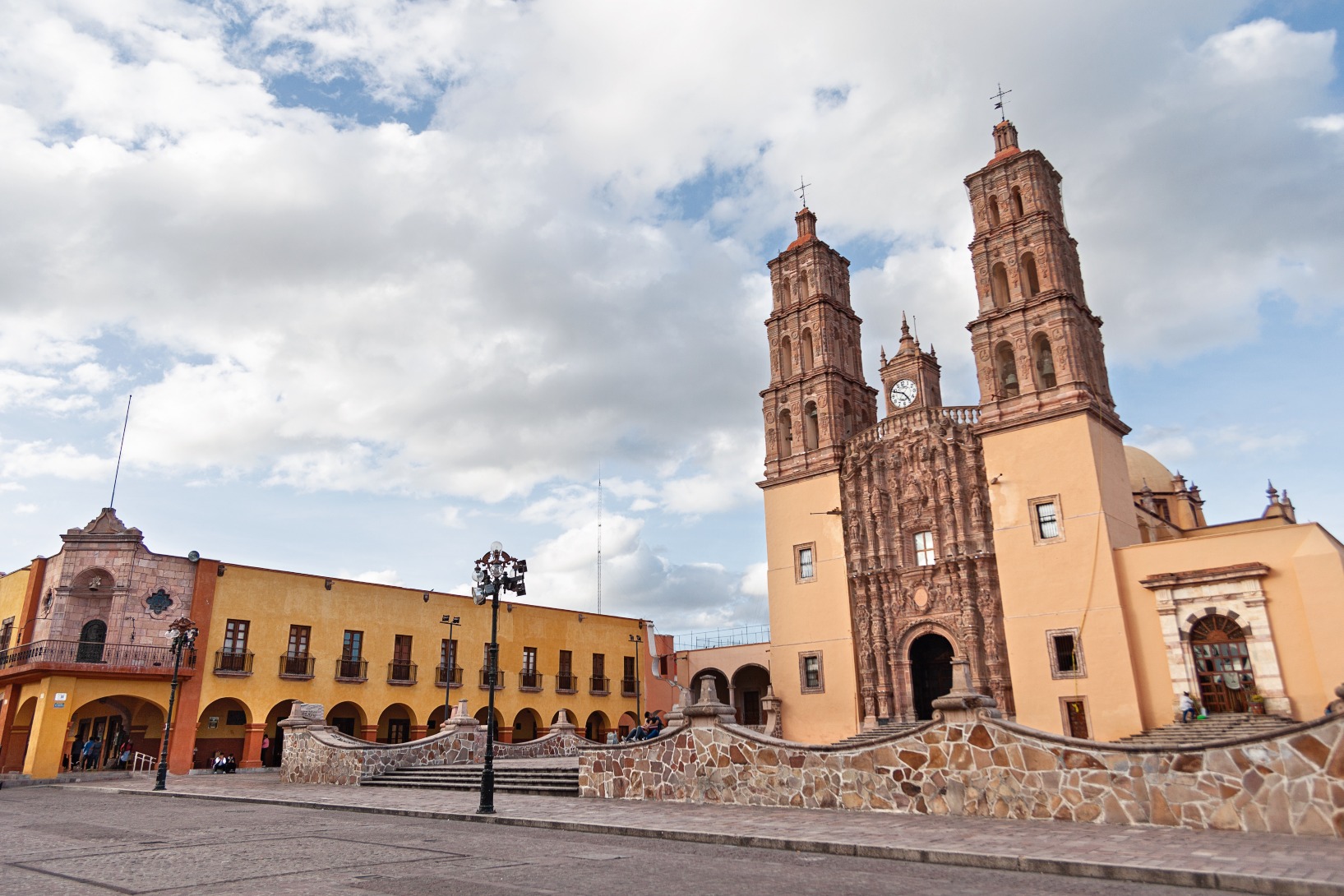
Dolores Hidalgo
In the early hours of 16 September 1810, Father Miguel Hidalgo called the townspeople together from his parish church. That is why it is called the Cradle of Independence.
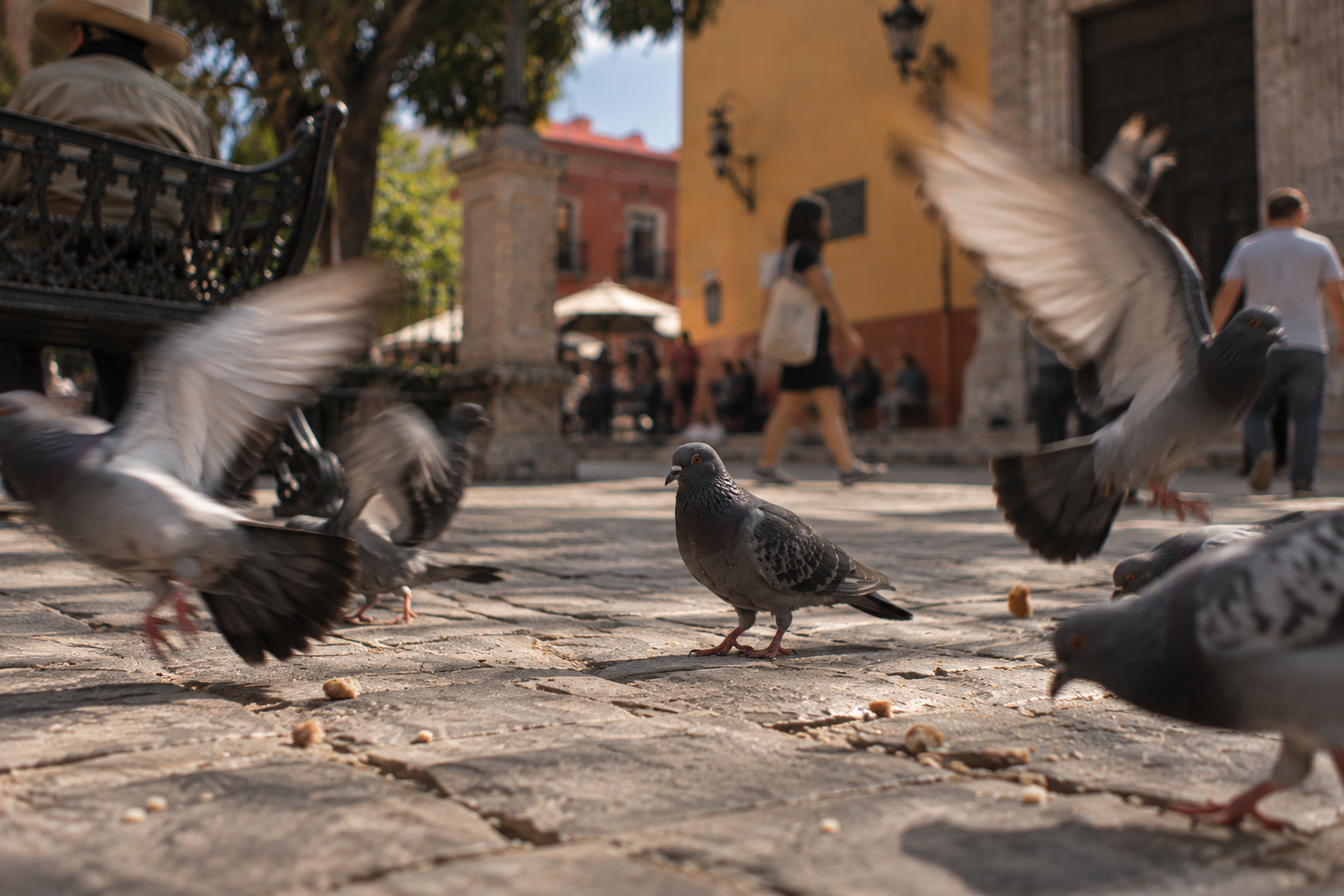
Guanajuato City
A historic city of hillsides, stairways and alleys, inscribed by UNESCO in 1988 and made for exploring on foot.
When you know what you want to see
Tell us and we will organise how to get there, between San Miguel, Querétaro and the rest of the Bajío.